Tulsa, OK
Can You Dry a Wet Hardwood Floor Yourself?
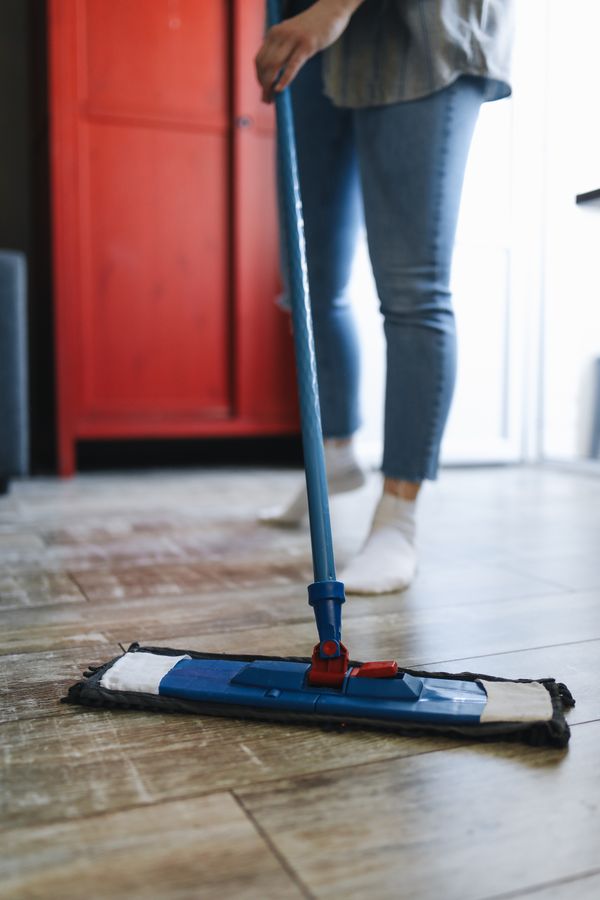
You can handle the first steps: stop the water, mop it up and run fans. But water that soaks under the boards and into the subfloor is hard to find and hard to dry without moisture meters and drying equipment. If the boards start to cup or the floor stays damp, it's time for testing.
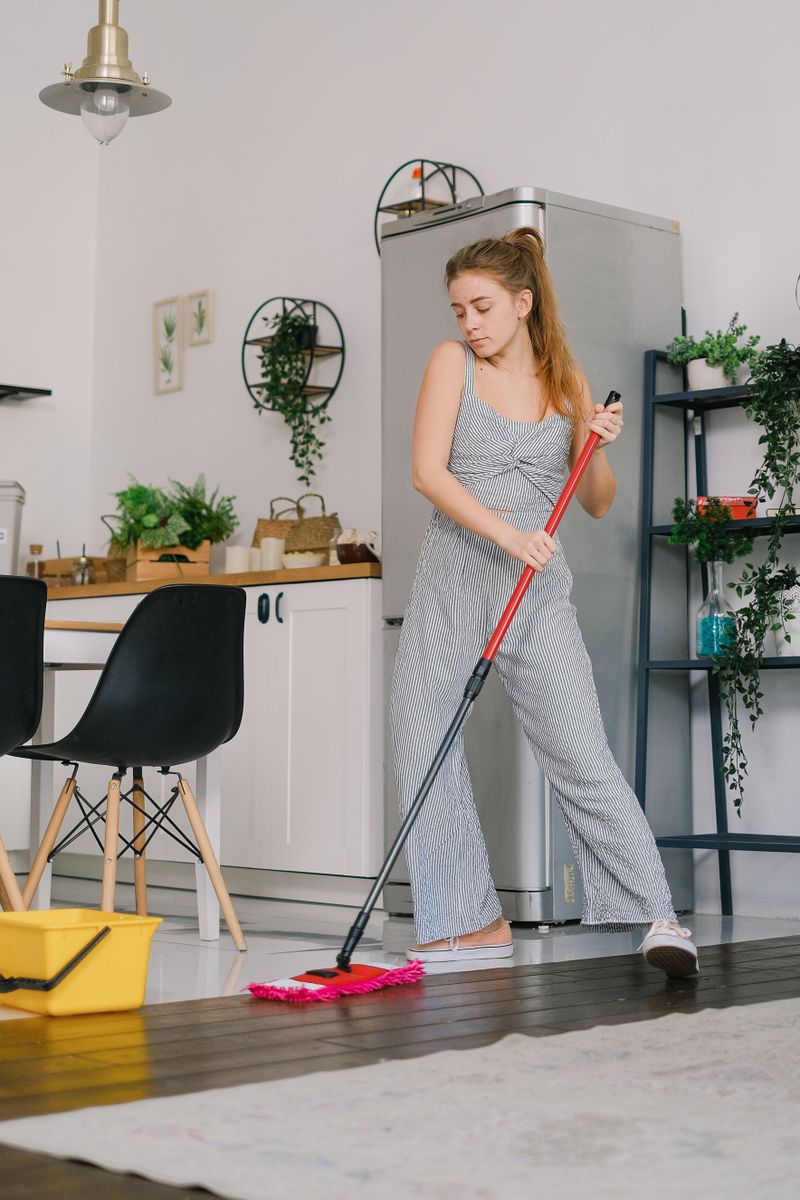
- What You Can Do Yourself
- Shut off the water source
- Remove standing water with towels or a wet/dry vac
- Move rugs and furniture off the floor
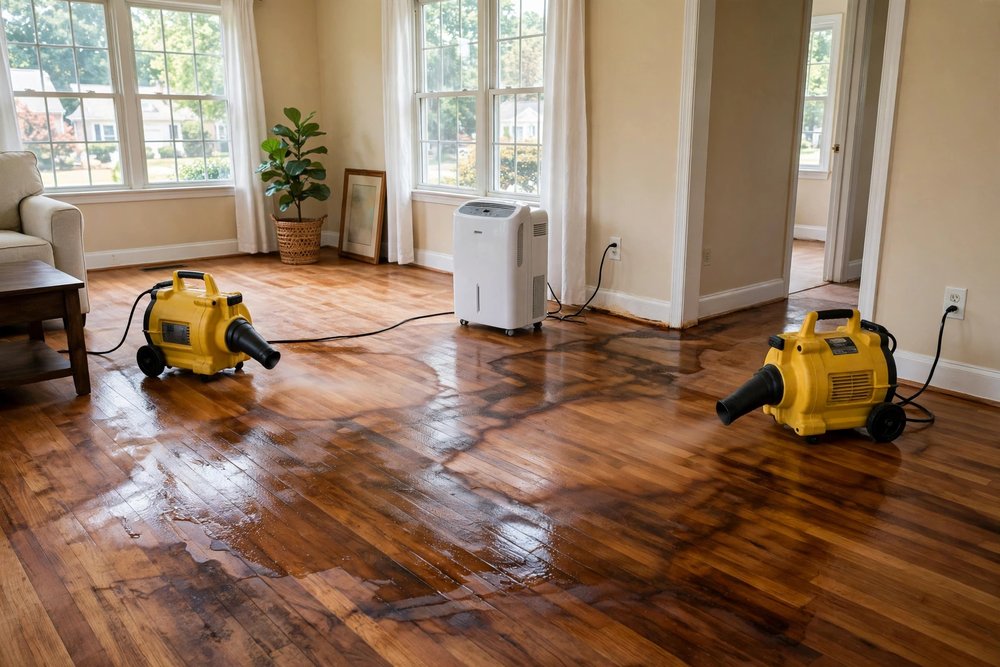
- Open the area to airflow and run fans and a dehumidifier if you have one
- Take photos for your records
- Where DIY Usually Falls Short
You can't see under the boards. The surface dries first, while water stays trapped below.
Fans don't reach the subfloor. Slabs, OSB and plywood hold water long after the top looks dry.
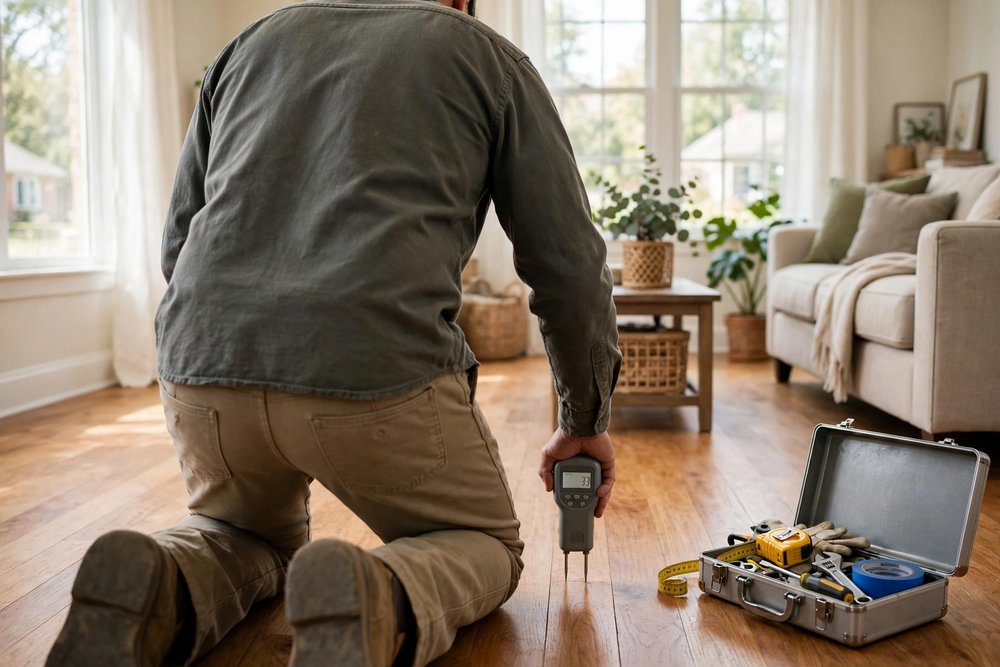
You can't measure what you can't see. Without a moisture meter, there's no way to know when the floor is truly dry.
Wet subfloors cause later problems: cupping, gaps, odor and mold, sometimes weeks later.
- Signs You Need a Professional Check
- Boards are cupping, crowning or lifting
- Dark stains are spreading along seams
- A musty smell won't go away
- The leak ran for hours or longer before you found it
- Water reached more than one room
- FAQs
Wet hardwood in the Tulsa area? We'll test it and tell you straight. Call 24/7: (918) 675-5474
Frequently Asked Questions
Can a household dehumidifier dry my floor?
It helps the room air, but it usually isn't enough to dry wet boards and the subfloor underneath.
Is it worth paying for a moisture test?
It tells you if the floor can be saved and when it's truly dry, which can prevent a costly repeat repair. Moisture testing